3D Imaging for Studying Without Touching
Far from the dusty image often associated with natural history institutions, ETH Zurich has leveraged cutting-edge technologies to scan specimens used in the description of new species. This impressive work aims to enhance the sharing of collections while promoting their preservation.
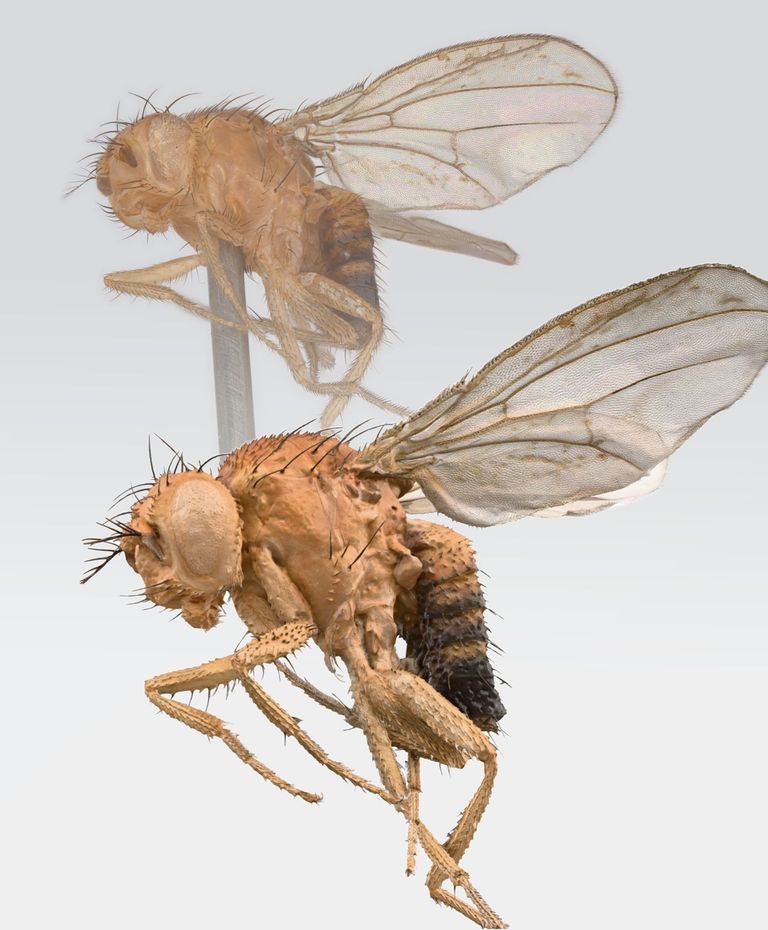
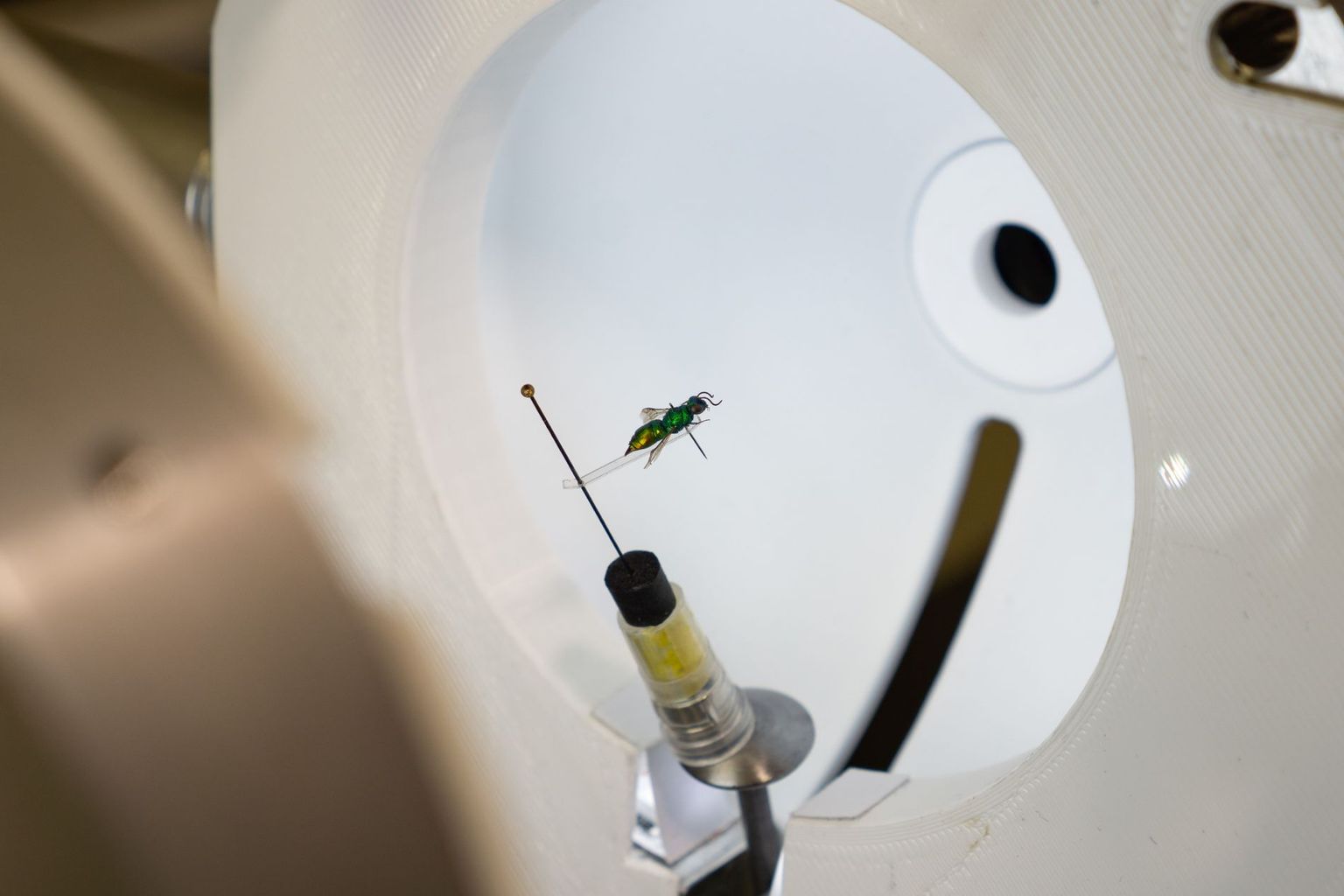
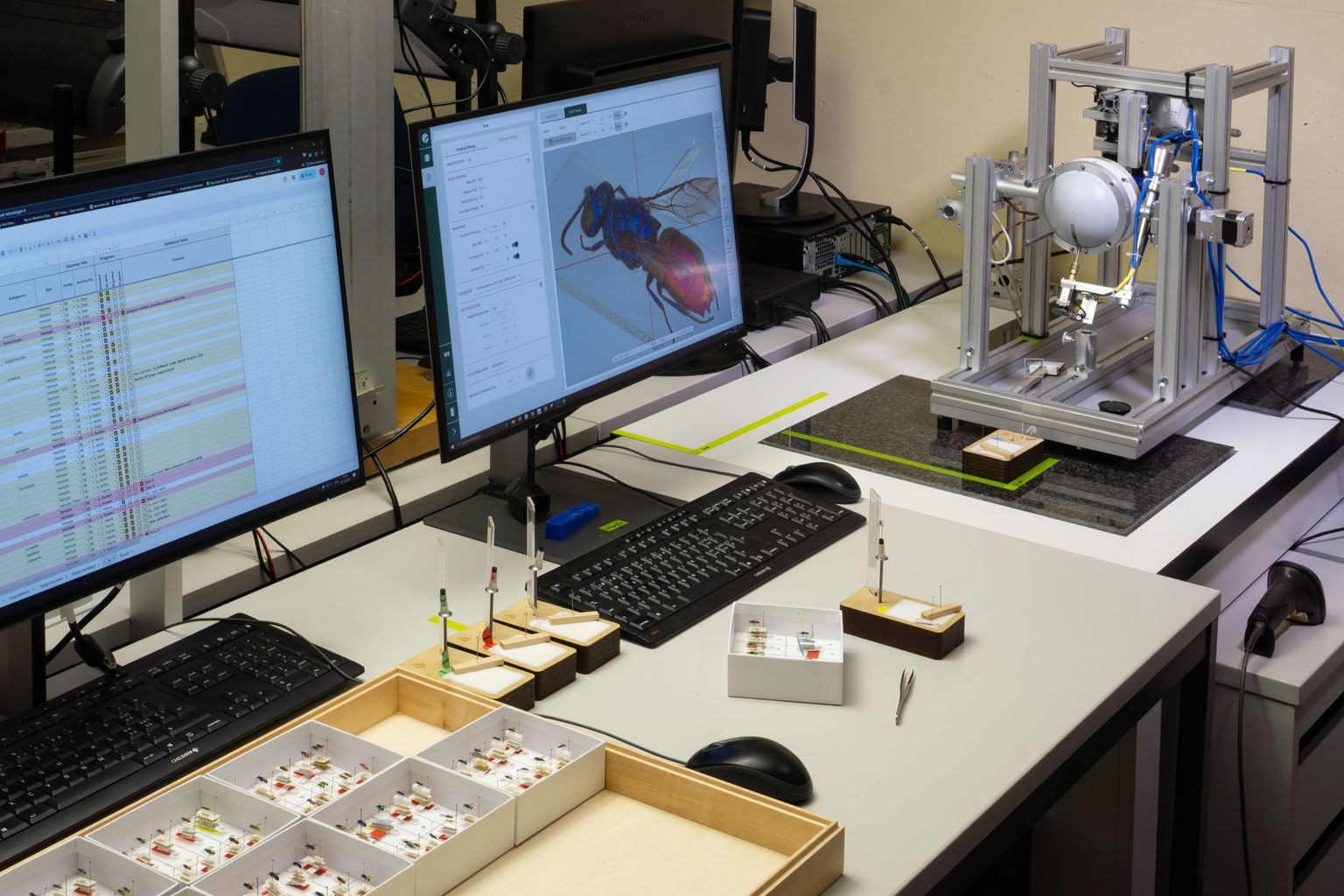
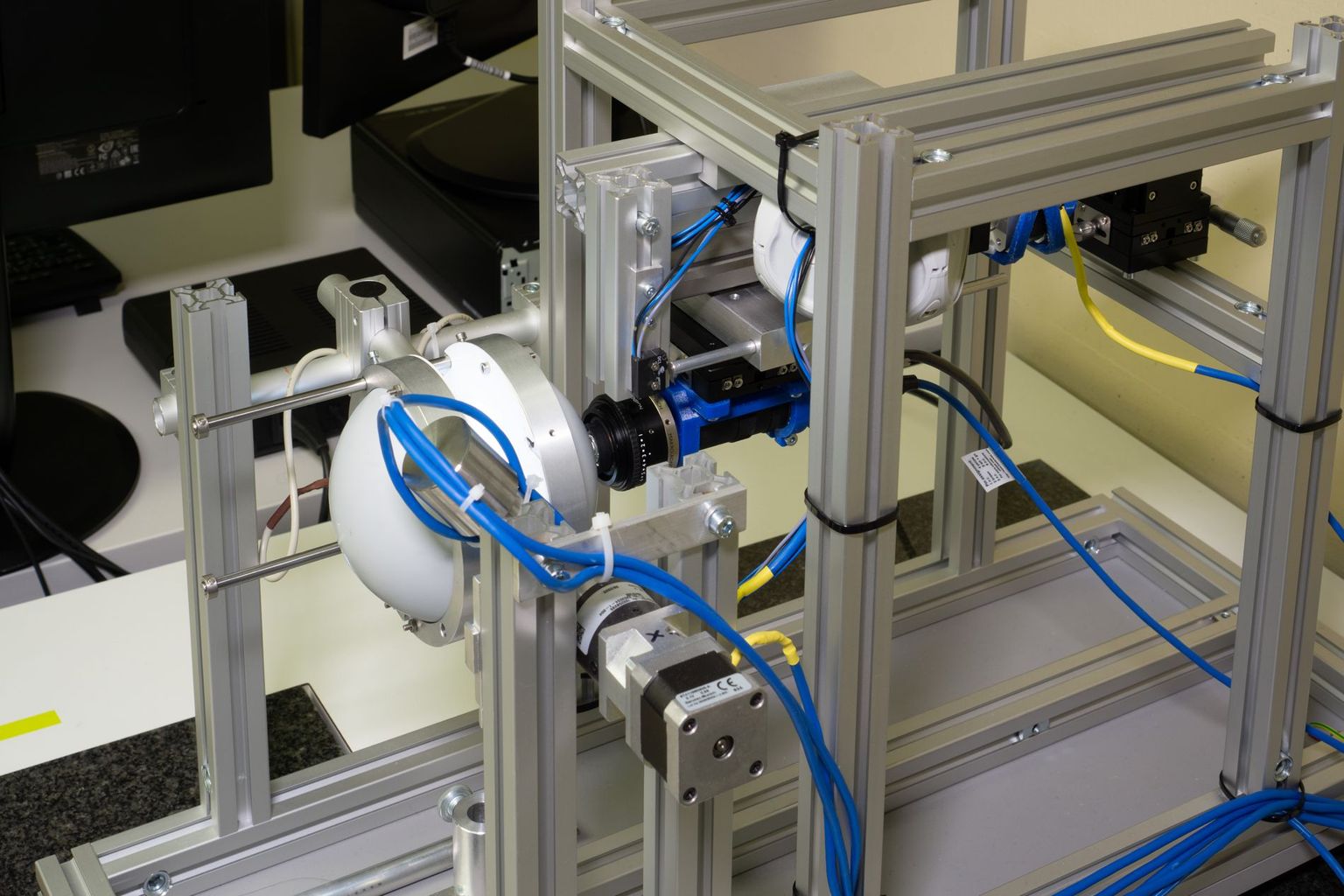
Imaging technologies play a crucial role in the digitization of natural history collections. While examining specimens remains invaluable, 3D imaging offers significant advantages. This technique involves scanning a specimen to generate a digital model that can be rotated and magnified from any angle, allowing for a detailed examination of its morphological characteristics. Furthermore, a 3D model provides precise measurements of surfaces and volumes. Most importantly, it can be easily shared worldwide and studied remotely, eliminating the need for physical handling or transport, thereby reducing the risk of damage.
Scanning Type Specimens
This technology is primarily reserved for the most valuable specimens, particularly those used to name and describe new species, known as type specimens. The SwissCollNet project, led by ETH Zurich’s entomological collection in collaboration with other Swiss institutions, has enabled the digitization of over 2,400 type insect specimens. This is a monumental effort given their diversity, ranging from less than a millimeter to several centimeters in size, with varied reflective properties (textures and colors), requiring careful adaptation of scanning techniques. The project has also led to the development of best practices for large-scale 3D digitization and post-processing of models. Ultimately, SwissCollNet has helped protect and make this unique scientific heritage more accessible.
New Collaborations
The digitization of specimens continues and leads to new collaborations. Among the most recent additions is a unique specimen—arguably the world’s first ‘synthetic species,’ created through genetic engineering by Eduardo Moreno at the University of Bern in 2012. Named Drosophila synthetica, this is the first transgenic organism that cannot hybridize with the original wild type population (Drosophila melanogaster) but remains fertile when crossed with other identical transgenic animals. The 3D model of the synthetic fly can be accessed here. The scanned specimen belongs to the collection of the Museum of PostNatural History, a museum currently being established in French-speaking Switzerland, dedicated to organisms intentionally modified by humans.
Although 3D technology is still an evolving tool, its integration into the digitization of natural history collections marks a significant turning point. More and more specimens can now be examined by scientists worldwide without ever leaving the safety of their collections. Ultimately, SwissCollNet has helped better protect and make this unique scientific heritage accessible.
—
SwissCollNet
The Swiss Natural History Collections Network (SwissCollNet) is an initiative from the Swiss Academy of Sciences, dedicated to the digitization and long-term management of Swiss natural science collections. SwissCollNet has supported 68 projects conducted in Switzerland’s museums, universities, and botanical gardens, covering extensive collections of animals, plants, fungi, rocks, fossils, and DNA samples.

Contacts
Dr. Michael Greeff
ETH Zürich
Entomological Collection
E 26.1
Building WEV
Weinbergstr. 56/58
8092 Zürich
SwitzerlandMuseum of PostNatural History